
Raindance Seven
Seven is the rhythm of memory. Seven is how we make sense of chaos.
Most filmmakers think they begin with a script, a structure, or a concept. Visual artists know better. They begin with something far more dangerous: an image. A single frame that demands meaning.
But here’s the problem: an image can unlock a film, or it can imprison it. If you don’t understand how images actually work, you’ll build something beautiful that goes nowhere.
When I worked for Henry Moore I was once sent an errand to the farmhouse he shared with his life partner, mart. and there he was sketching small sketches of of pebbles and bit of cbone 9there was an arbetoiir upstram0
I asked him what he was doing ands he told me that the was building up his vocabulary of shapes - excellent advice for storytellers in any medium.

Do Visual Artists Start With an Image? Or Is the Image the Trap?
Seven is the rhythm of memory. Seven is how we make sense of chaos.
Most filmmakers think they begin with a script, a structure, or a concept. Visual artists know better. They begin with something far more dangerous: an image. A single frame that won’t leave them alone. A flicker in the mind that feels important without explaining why. But here’s the problem. That image can unlock a film. Or it can trap you in something beautiful that goes absolutely nowhere.
1. The First Image Is Not a Story. It Is a Question.
If you’re honest, your best ideas don’t arrive as outlines. They arrive as interruptions.
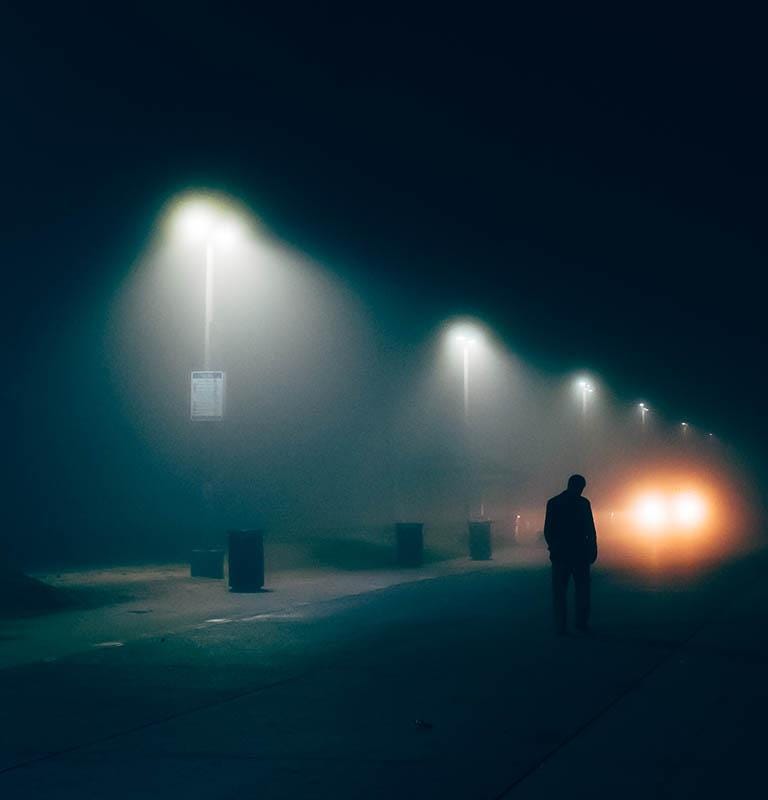
A man standing in fog.
A child staring at something off-screen.
A house with one light on in the middle of nowhere.
You don’t know who they are. You don’t know what’s happening. But something about the image sticks. It irritates you. It demands attention.
That irritation is the beginning of cinema.
And here’s where most filmmakers make their first mistake. They rush to explain it. They write backstory. They build structure. They impose logic.
Wrong move.
The image is not asking to be explained. It is asking to be explored.
The real question is simple and brutal:
Why does this image disturb you enough that you cannot let it go?
If you cannot answer that, you don’t have a film. You have a screensaver.
2. Great Images Carry Emotional Contradiction
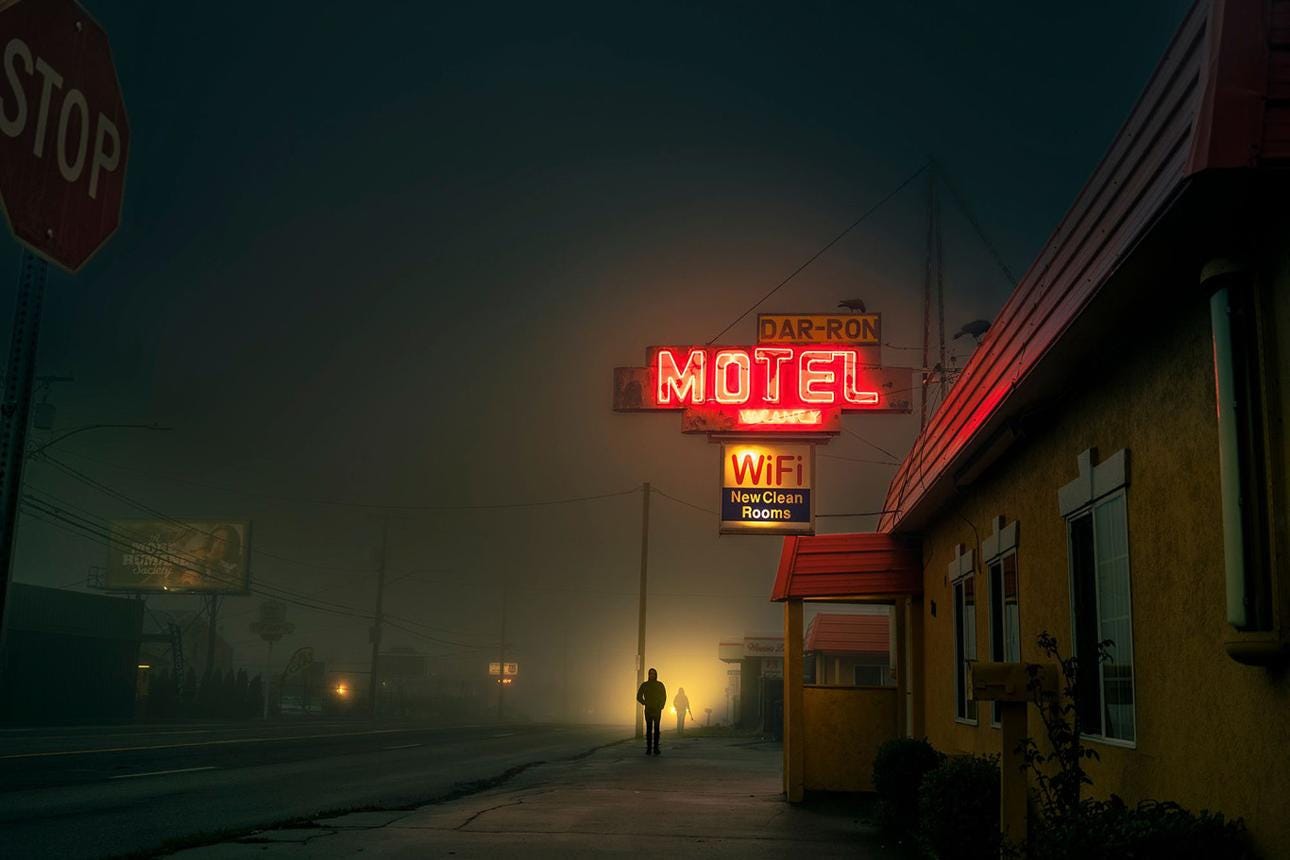
Weak images are obvious. Strong images are conflicted.
They hold two opposing ideas at the same time.
Beauty and decay.
Safety and danger.
Intimacy and isolation.
Look at The Florida Project. Bright colours. Childhood energy. It feels playful. And yet underneath, everything is unstable. Poverty is closing in. The image is cheerful and devastating at the same time.
Or Blade Runner. Neon reflections, rain, spectacle. It looks extraordinary. But emotionally it is hollow. Artificial. Disconnected from humanity.
That contradiction is not decoration. It is the engine.
If your image only says one thing, the audience processes it instantly and moves on. There is no reason to stay.
Contradiction creates tension. Tension creates attention.
No tension, no film.
3. One Image Is a Photograph. A Film Requires Evolution.
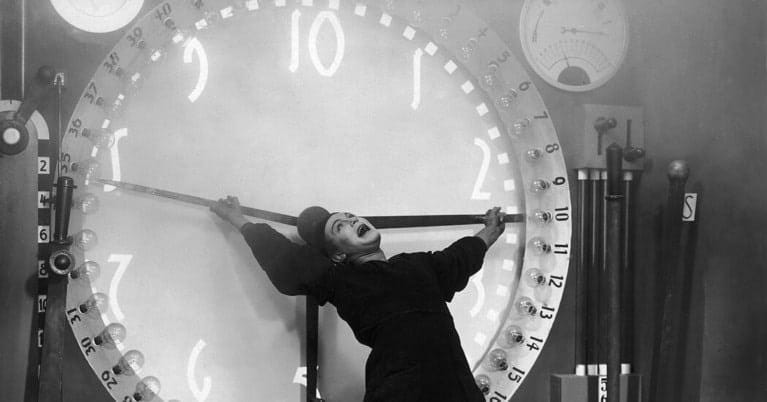
Here’s the uncomfortable truth. One powerful image is not a movie. It’s a poster.
A film needs progression. Variation. Change.
You need to ask questions that most filmmakers avoid:
How does this image evolve?
What does it look like at the midpoint?
What does it look like at the end?
What does the audience understand the second time they see it that they didn’t the first?
This is where image-first filmmakers collapse. They have a brilliant opening shot and no second act.
They mistake aesthetic for narrative.
Cinema is not about capturing a moment. It is about transforming it.
If your image cannot evolve, your film cannot survive.
4. Meaning Does Not Live in the Image. It Lives in the Sequence.

Let’s dismantle a myth.
Images do not carry meaning on their own. Context does.
A face means nothing until you place it next to something else. A location means nothing until something happens inside it.
A smile before betrayal is different from a smile after loss.
A quiet room before violence is different from a quiet room after.
Meaning emerges from arrangement. From timing. From juxtaposition.
Look at Before Sunrise. The images are simple. People walking. Talking. Sitting. Nothing visually spectacular. And yet the meaning deepens with every moment because of context and progression
The image is not the story. The sequence is the story.
If you don’t understand that, you will spend years chasing “cinematic shots” and wondering why your films feel empty.
5. The Trap: Falling in Love With the Image
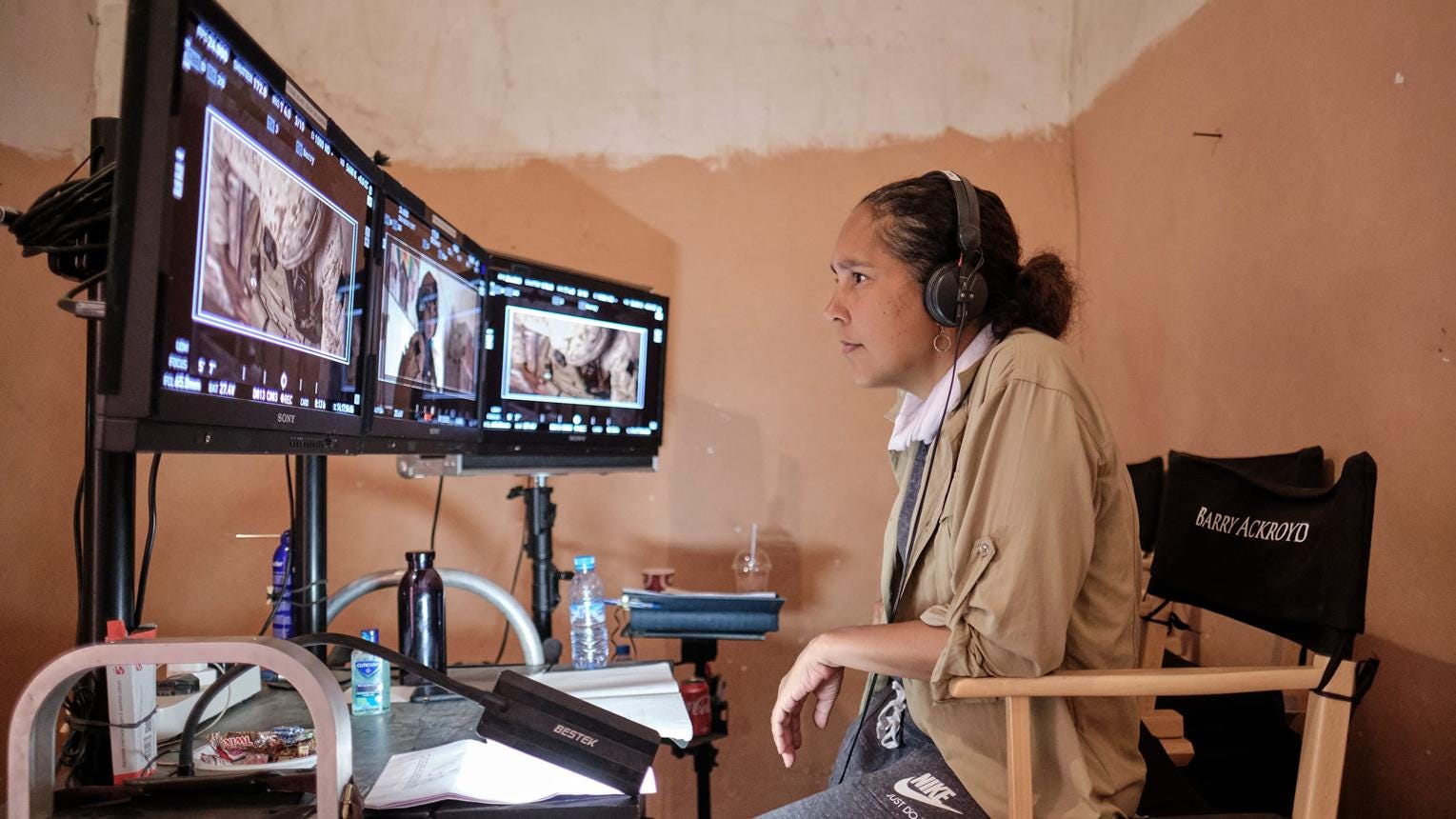
This is where things get dangerous. You fall in love with the image.
You protect it. You defend it. You build everything around preserving how it looks instead of questioning what it does.
You refuse to cut it.
You refuse to challenge it.
You refuse to let it change.
And suddenly you’re making films that look incredible and feel like nothing.
I’ve all seen them. Slow. Polished. Empty.
Festival bait with no audience. Visual exercises disguised as storytelling.
The truth is brutal. If your image cannot survive being challenged, it was never strong enough to begin with.
Cinema is not about protecting your vision.
It is about testing it until only what works remains.
6. The Discipline: Build the Image. Then Break It.
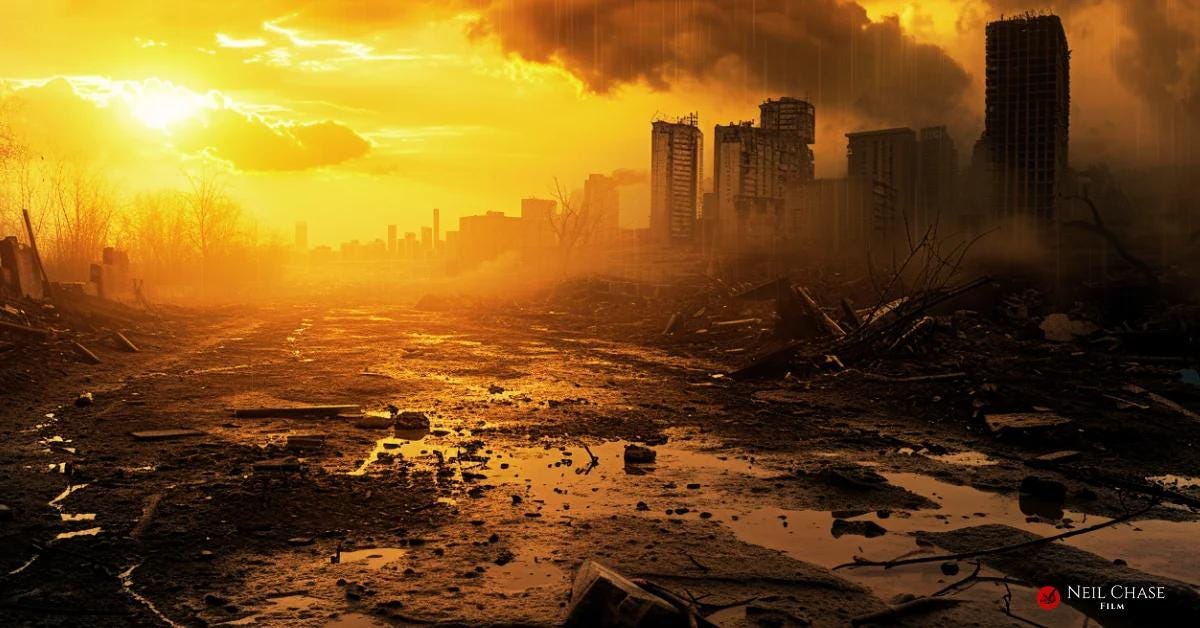
If your original image is powerful, it must change. Not slightly. Radically.
Ask yourself questions that most filmmakers avoid because they’re uncomfortable:
What is the opposite of this image?
What would corrupt it?
What would destroy it?
What would complete it?
If your film begins with control, it should end in chaos.
If it begins with innocence, it should end in knowledge.
If it begins with clarity, it should end in ambiguity.
Look at The Blair Witch Project. The concept is simple. People lost in the woods. But the imagery evolves. The unseen becomes suffocating. The final image lands because everything before it has shifted your perception.
The first image sets the promise.
The final image delivers the consequence.
If those two are the same, you have not made a film. You have repeated yourself for 90 minutes.
7. Not Every Image Deserves a Film
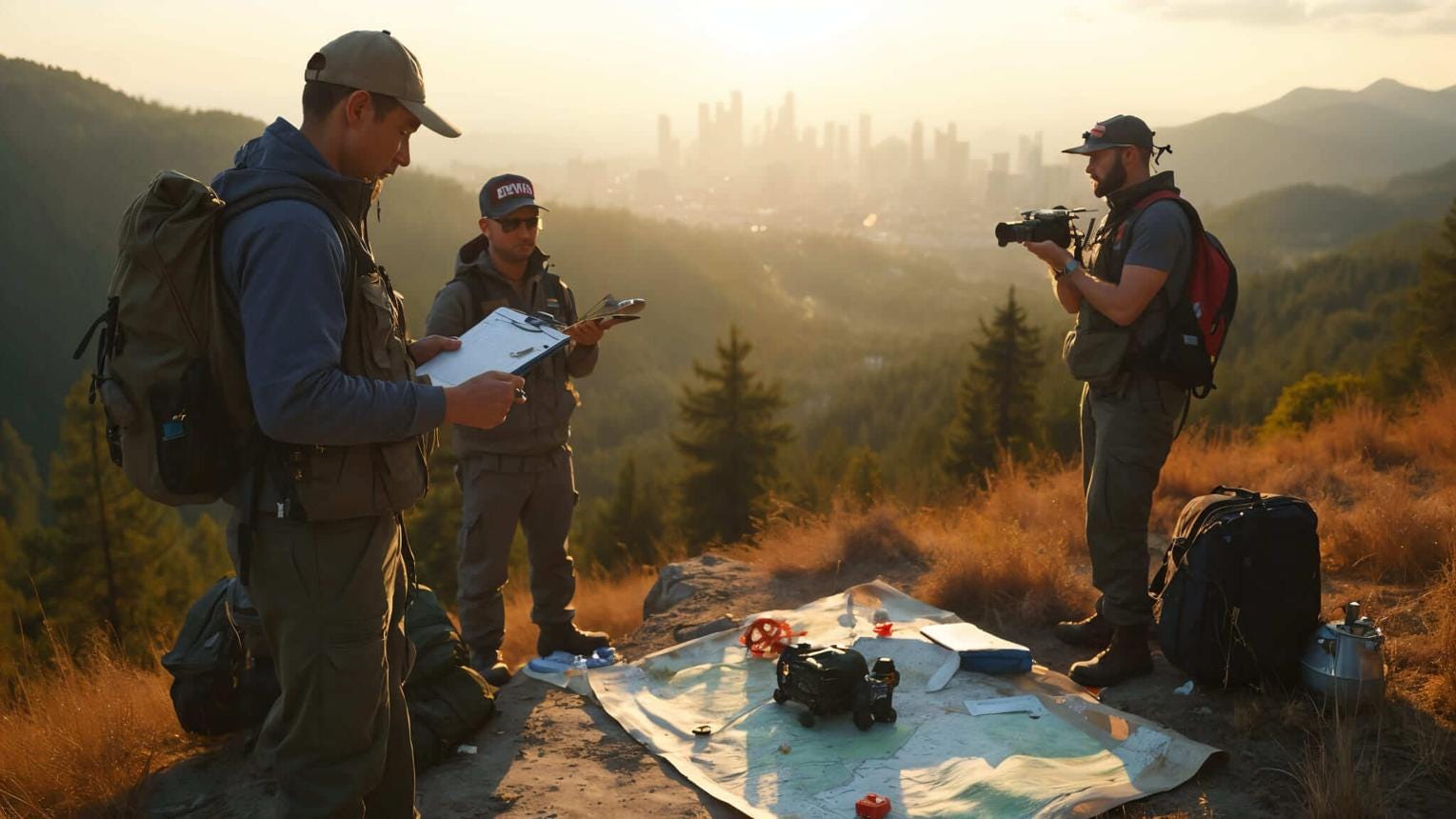
Here’s the part nobody wants to hear.
Not every image is worth building a film around.
Some images are:
A photograph.
A short film.
A mood piece.\
A moment.
And that’s fine.
The discipline is knowing the difference.
Test your image brutally:
Does it imply a world?
Does it suggest conflict?
Can it evolve over time?
Does it contain contradiction?
Will it hold attention beyond the first impression?
If the answer is no, move on.
The fastest way to stall your career is to build a feature film around something that only had enough energy for thirty seconds.
Outro
Most filmmakers start with story and try to decorate it with images.
Visual artists start with images and hope a story appears.
Both approaches fail when taken to extremes.
The real craft lives in the tension between them.
An image is a spark. Not a structure. Not a guarantee. Not a film.
If you can take a single image and turn it into something that evolves, contradicts itself, gains meaning through sequence, and ultimately transforms, then you are no longer just making something that looks good.
You are making something that works.
And in a world drowning in content, that is the only thing that matters.
CTA
If you’re starting with images but struggling to turn them into story engines, that’s exactly what we break down at Raindance.
No fluff. No theory for the sake of theory. Just the mechanics of how films actually hold attention.
Because beautiful images don’t build careers.
Films that work do.
RAINDANCE REALITY CHECK
Does Your Film Actually Have a Visual Engine?
Most filmmakers think they have a strong visual idea.
Most are wrong.
Answer honestly. No hedging.
1. Your film started with an image. But what kind?
A. A striking visual I thought looked “cinematic”
B. A moment that felt emotional but I couldn’t explain
C. A visually cool idea inspired by other films
D. An image that disturbed or obsessed me
2. Why does this image exist?
A. It looks good
B. It sets the tone
C. It references a style I like
D. I don’t fully know, but it feels loaded with meaning
3. What happens to this image over the film?
A. It appears once at the start
B. It comes back visually similar
C. It evolves slightly
D. It transforms completely and means something different by the end
4. Does your image contain contradiction?
A. No, it’s clear and direct
B. Maybe, I haven’t thought about it
C. It has mood, but not tension
D. Yes, it holds opposing emotional ideas at once
5. If you removed the image, what happens?
A. The film still works
B. It would lose some style
C. It would feel less “cinematic”
D. The entire story collapses
6. Are you protecting the image?
A. Yes, it’s my favourite part
B. I’d struggle to cut it
C. I’ve adjusted it slightly
D. I’m willing to destroy or contradict it if needed
7. What is the opposite of your image?
A. I haven’t thought about that
B. A variation of the same idea
C. Something visually different
D. A direct emotional and thematic inversion
8. Does your image imply a world?
A. No, it’s just a moment
B. A little, but not clearly
C. It suggests a tone
D. Yes, it hints at a larger system, rules, or reality
9. Would this work as just a photograph?
A. Yes, probably better
B. Maybe
C. It works as both
D. No, it needs time and progression to make sense
10. Why should an audience care after 30 seconds?
A. Because it looks good
B. Because it sets mood
C. Because it feels interesting
D. Because they need to understand what it becomesSCORING
Count how many times you answered:
Mostly A’s
You don’t have a visual engine. You have decoration.
You are building a film on surface. This will collapse.Mostly B’s
You have instinct but no structure.
You feel something, but you haven’t translated it into story.Mostly C’s
You’re referencing cinema, not creating it.
You understand style, but not transformation.Mostly D’s
You have the beginnings of a visual engine.
Now the real work starts. Can you sustain it?
BRUTAL TRUTH
If your image:
doesn’t evolve
doesn’t contradict itself
doesn’t gain meaning through sequence
…it is not the foundation of a film. It is a still.
CTA
If this quiz exposed cracks in your idea, good.
That’s where the work begins.
At Raindance, we don’t teach you how to make pretty images.
We teach you how to make them mean something.
Because the audience doesn’t remember shots.
They remember transformation.
I am a writer/producer not a filmmaker, so I usually start with a character or characters, then build a story around them. I tell their story in my mind, and then on paper, and finally it is translated to the screen. Many, many artists, are involved in bringing the story to life.
Fortunately, I also have a background in sales and marketing, and when Artisan Entertainment released "The Blair Witch Project" in 1999, we had offices right near them in Cannes.
Since we, for the most part, represented micro-budget films, we were familiar with the film, in fact the person who wrote their business plan, even before the film was funded and produced, was an acquaintance of mine.
I had seen a similar film, which in my mind was better, which was released a year before. It had two directors, they shot the film in the woods, and it revolved around a mythical creature. It also involved found footage, and to me, it seemed so much more believable. Made for only $900, yes less than 3% of Blair Witch's budget, but unfortunately, did not have a fantastic marketing team.
When I watch one, I can barely get past the first few scenes, but every time I watch the other, I can't pull myself away.
A great marketing plan before you make your film can make the difference.
BTW, you again used the trailer from the 2016 Blair Witch, not the 1999 film.
Interruptions ;)